France explains the EU's new parcel fees before the holiday rush
A €2 handling charge now applies to each product category in low-value parcels from outside the EU, while consumers are warned about payment scams.
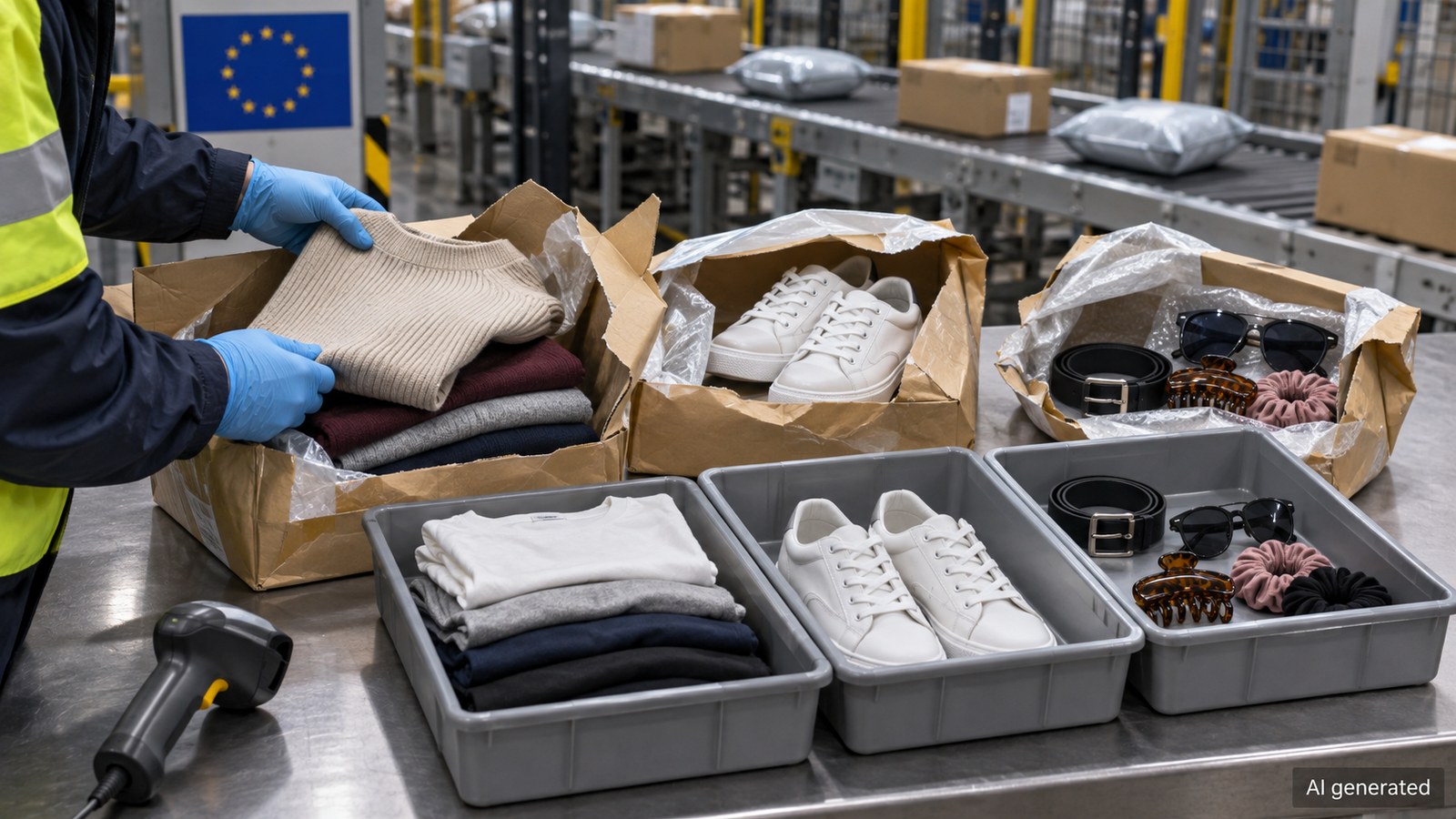
France has issued practical guidance on the European Union's new handling charge for small parcels as holiday shopping accelerates. Since 1 November, a €2 fee applies to each product category in a direct-to-consumer parcel entering the EU from outside the bloc. The measure is aimed at the flood of low-value ecommerce shipments, including fashion and accessories sold through global platforms.
The charge is calculated by customs category, not simply per box. A parcel containing several identical T-shirts may carry one €2 charge, while a parcel with clothing, shoes and jewellery may attract three. The platform, seller or carrier responsible for the import is legally liable, although businesses can incorporate the cost into prices or delivery charges.
A category charge, not a simple parcel price
This handling fee is separate from the €3 customs duty that began in July for product categories in consignments valued at €150 or less. The French government abandoned its earlier national parcel-tax plan once the EU measures were agreed. Buyers should therefore check whether a checkout price includes import costs, but should not assume that every later payment demand is legitimate.
French customs says it will not contact individual consumers directly to collect the €2 handling fee. An email or text claiming to be customs and demanding immediate payment should be treated as a possible scam. Consumers should verify a charge through the retailer or carrier's official site instead of following a link in an unsolicited message.
Customs will not text buyers for payment
The EU Council presents the fee as part of a wider response to billions of low-value parcels, many of which currently receive limited physical checks. Consumer organisation BEUC supports the charge only if the revenue improves enforcement against unsafe or non-compliant products. A fee alone does not guarantee that an item meets chemical, electrical or labelling rules.
The policy will affect business models built on extremely cheap individual items and frequent cross-border shipments. Reuters reported that EU documents estimated the handling fees could raise around €6 billion a year for the EU budget in the next funding period. That estimate is not a prediction of consumer prices, which will depend on how sellers group products and absorb costs.
What the fee could change
For shoppers, the useful distinction is between a disclosed retail or delivery cost and an unexpected demand pretending to come from customs. Compare the final price, read the seller's import terms and use official payment channels. The new charges may alter low-cost fashion economics, but they do not give unknown senders a reason to request card details by message.
Sources & context
Reporting and reference material used for this article. Context sources do not independently confirm every news claim.
- French government information service ↗Primary French guidance, published 6 November 2026: calculation, liability, interaction with the July duty and scam warning.
- Council of the European Union ↗Primary EU policy context: volume of small-parcel imports and the customs-enforcement rationale.
- Reuters via Euronext ↗Independent reporting, published 30 October 2026: projected EU-budget revenue and potential effect on low-cost platforms.
- BEUC ↗Independent consumer-policy position: distinction from the customs duty and call to use revenue for product-safety checks.
Written for WHIF from the linked material. This article does not claim on-the-ground reporting. Our editorial standards.