France takes an electrification test to COP31
The Antalya summit opens on 9 November with France seeking stronger implementation on clean power, fossil-fuel transition and climate finance.
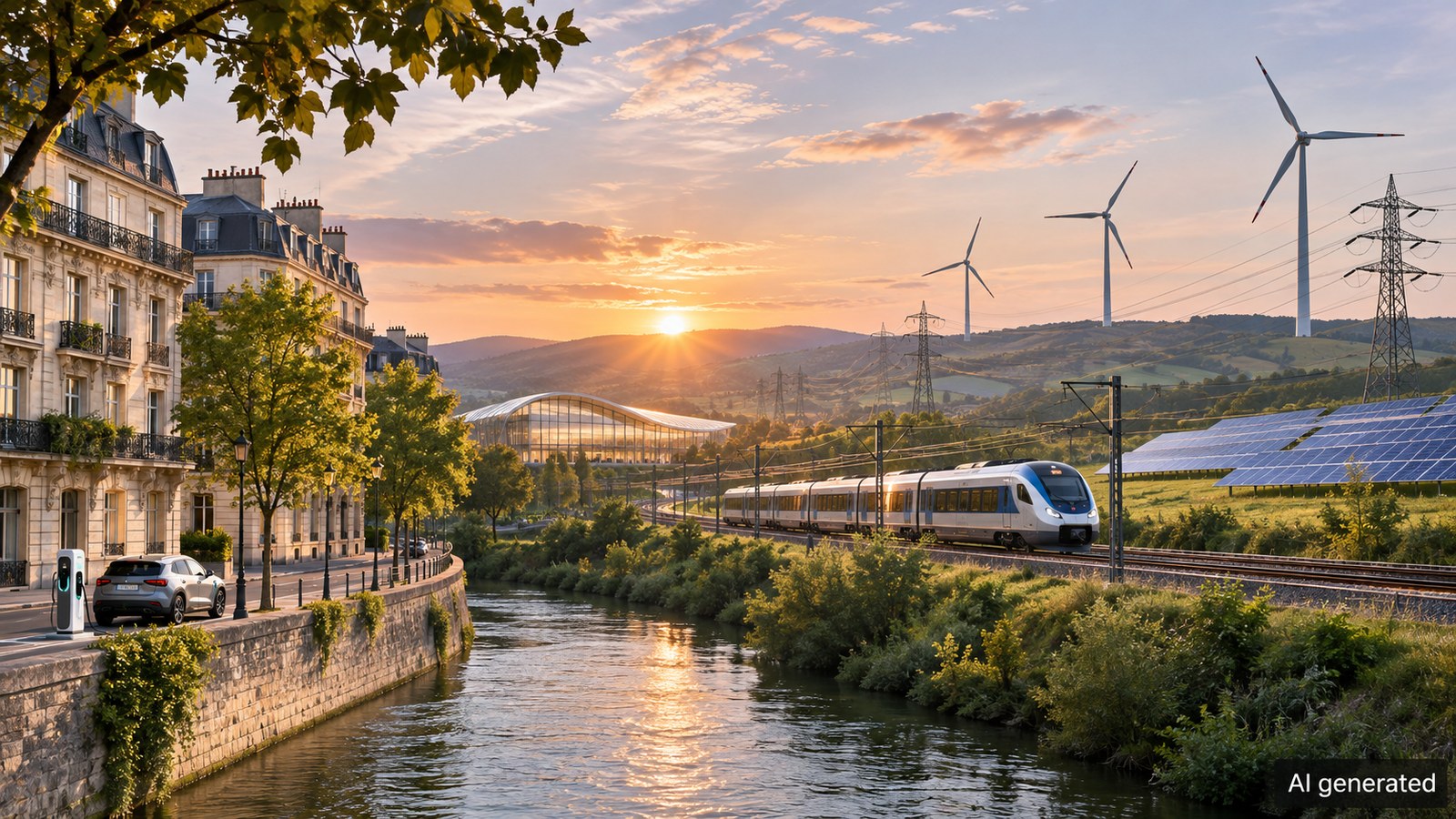
France arrives at COP31 in Antalya with clean electrification as a central negotiating priority. The United Nations climate conference runs from 9 to 20 November, and the French environment ministry says its delegation will remain throughout. This article previews announced positions; it does not describe an agreement that has not yet been reached.
The ministry argues that electricity should replace direct fossil-fuel use in transport, buildings and industry where practical, while the power supply itself becomes lower-carbon. France says 95 percent of its electricity is low-carbon through nuclear and renewable generation. That domestic figure is an argument in its diplomacy, not a guarantee that other countries can follow the same pathway or timetable.
A national roadmap enters global talks
France's 2026 national roadmap sets target dates to end coal consumption by 2030, oil by 2045 and fossil gas for energy uses by 2050. At COP31 it wants wider planning for a transition away from fossil fuels and stronger international cooperation on grids, storage, finance and clean technologies.
Reuters identified fossil-fuel reductions and climate finance as the summit's two familiar pressure points. The gap is no longer only between targets and science, but between promises and the investment needed to implement them. Countries with limited fiscal space will judge an electrification agenda partly by whether it comes with affordable finance and technology access.
Implementation is the host's theme
The host country is framing COP31 around implementation. Associated Press reported that Turkey's proposed 'climate implementation bridge' is intended to connect national pledges with finance, technology and other support. Turkey also lists electrification, waste and methane reduction among the summit priorities.
There are trade-offs inside the clean-power story. New grids and renewable projects require materials, permits and local acceptance; nuclear programmes require capital, safety governance and long construction horizons. Electrification can cut emissions only when power capacity expands fast enough and remains reliable and affordable.
Judge the outcome after 20 November
The test for France is therefore not whether electrification appears in summit language, but whether the final decisions help countries build it. Any outcome should be judged against finance, delivery mechanisms and the fossil-fuel timetable after negotiations close on 20 November. Until then, the French positions remain proposals entering a multilateral process.
Sources & context
Reporting and reference material used for this article. Context sources do not independently confirm every news claim.
- French Ministry for Ecological Transition ↗Primary French delegation information: summit dates, continuous presence, electrification priorities and pavilion programme.
- French COP31 policy dossier ↗Primary policy document: national fossil-fuel exit targets, low-carbon electricity figure and detailed negotiating priorities.
- Reuters ↗Independent reporting, published 6 November 2026: fossil-fuel phase-down, climate finance and the implementation gap.
- Associated Press ↗Independent host-country reporting: Antalya dates, implementation bridge and priorities on electrification, waste and methane.
Written for WHIF from the linked material. This article does not claim on-the-ground reporting. Our editorial standards.