France makes off-peak electricity hours seasonal for 9.3 million customers
A new rollout phase shifts more discounted hours into summer afternoons, but each household must check the timetable sent by its supplier.
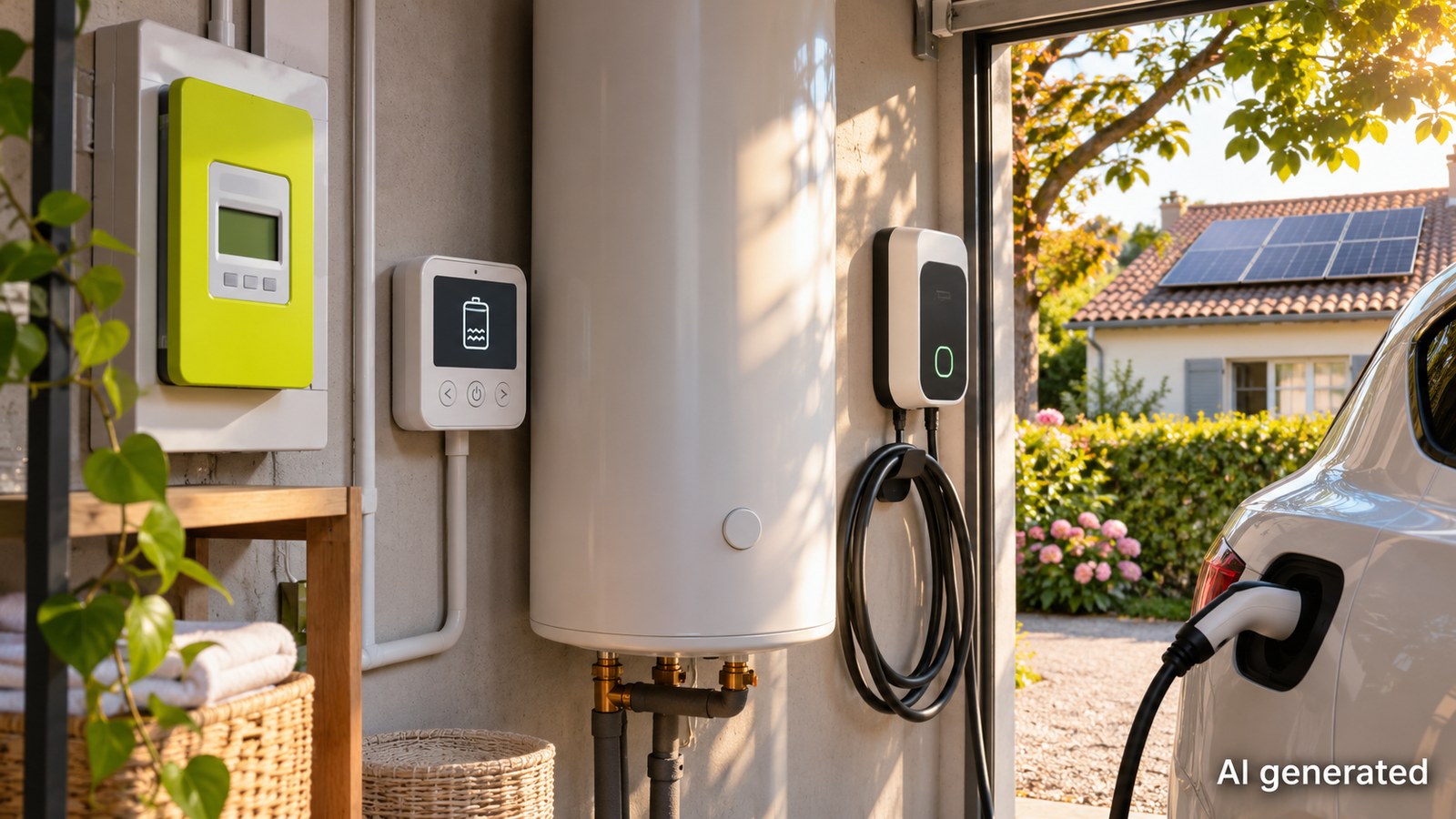
France is expanding seasonal off-peak electricity schedules to about 9.3 million customers, moving more discounted hours into sunny summer afternoons when solar generation is abundant. Enedis says the second phase begins on 1 December, while the national energy mediator describes a progressive rollout from 1 November. Customers should rely on the effective date sent by their supplier.
Affected households will continue to receive eight off-peak hours a day, including at least five consecutive hours overnight. The remaining hours may move between daytime slots and differ by season. The purpose is to encourage flexible consumption when the power system has more available low-carbon electricity rather than concentrating demand in the traditional late-night window.
Eight hours remain, but the clock changes
Suppliers must notify customers at least one month before a change. For homes with a Linky meter, Enedis says the schedule is updated remotely and no action is required. The exact timetable appears on the bill or customer account, so a national headline cannot tell an individual household when to run an appliance.
The first rollout phase changed schedules for about 1.7 million customers and shifted roughly one gigawatt of consumption, according to Enedis. The network operator estimates that the broader reform could eventually move about five gigawatts toward summer afternoon periods. These are system-level objectives, not guaranteed savings for every customer.
A grid target is not a savings promise
A household benefits only if its contract has differentiated peak and off-peak prices and it can move enough use into the cheaper slots. Water heaters, washing machines, electric-vehicle charging and some heating systems may be programmable. Running appliances unattended should still follow manufacturer and fire-safety guidance.
The reform also creates potential confusion because dates and hours are not identical nationwide. The mediator's consumer guide uses 1 November for the progressive programme, while the 9 November AFP report and Enedis announcement identify 1 December as the start of the new phase. That is a rollout distinction, not evidence that one universal switch occurs on a single day.
Why the published dates look different
The practical advice is simple: read the supplier notice, verify the hours on the latest bill and adjust timers only after the change takes effect. Customers who receive no notice should not assume their schedule has moved. The policy aims to align demand with the grid, but individual savings depend on the tariff and actual behaviour.
Sources & context
Reporting and reference material used for this article. Context sources do not independently confirm every news claim.
- Enedis ↗Primary network-operator guidance: second-phase timing, customer count, daily-hour rules, Linky updates and expected load shifting.
- Énergie-Info, national energy mediator ↗Primary official consumer guidance: progressive rollout date, supplier notice and where customers can verify individual schedules.
- AFP via Connaissance des Énergies ↗Independent wire reporting, published 9 November 2026: seasonal design, affected customers and grid-balancing rationale.
Written for WHIF from the linked material. This article does not claim on-the-ground reporting. Our editorial standards.