Nice-Cannes Marathon brings record crowds and a rail-first travel plan
About 25,000 runners are expected on the Riviera route on 8 November, with road closures, free TER travel for entrants and an €8 spectator pass.
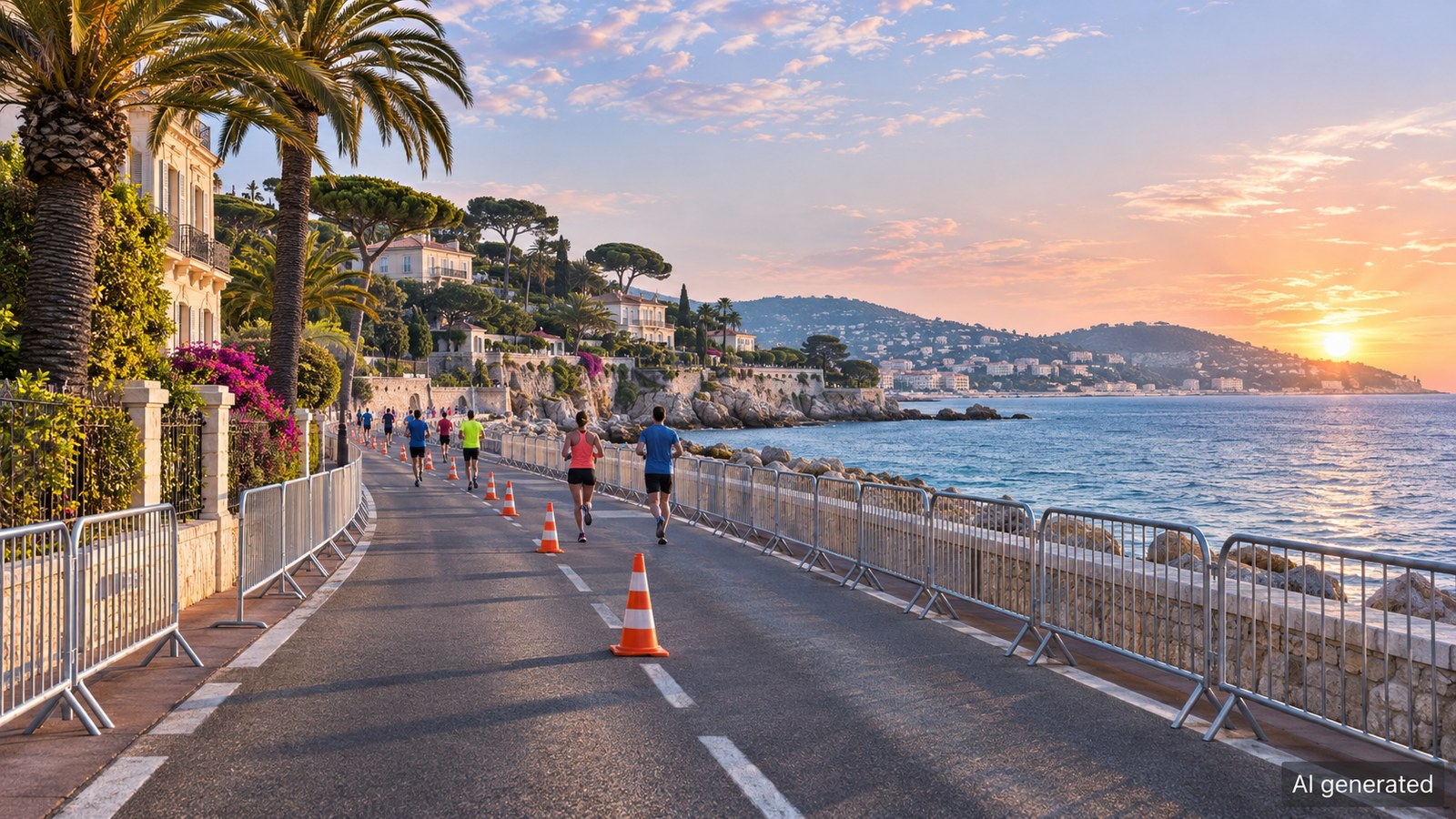
The 18th Marathon des Alpes-Maritimes Nice-Cannes is taking over the Riviera coast on Sunday 8 November with a record 25,000 registered runners, according to the City of Nice. The first wheelchair athletes were due to start at 7:57, elite runners at 8:00 and the main field from 8:03 on the Promenade des Anglais.
This is a transport guide to the announced event, not a report on final results. The certified 42.195-kilometre route runs from Nice towards the finish in Cannes, producing major restrictions on the coastal road network. Nice, Antibes and Cannes have published local closure and access information that visitors should check against live conditions.
Two different TER offers
Rail is central to the plan. Under the official race rules, a runner's bib acts as a ticket for unlimited TER travel between Nice and Cannes in both directions on race day. SNCF also offers spectators an €8 Marathon Pass for unlimited travel between Nice-Riquier and Cannes, allowing supporters to reach several viewing points without moving a car along the closed route.
The distinction between those two offers matters. Registered runners use their bib, while companions and spectators need the separate pass unless they already hold another valid ticket. Travellers should also allow extra time around stations because the race and an estimated 26,000 spectators in Cannes will place unusual pressure on services and pedestrian routes.
A scenic route with tight logistics
The coastal setting is the event's attraction and its logistical challenge. Roads that normally connect densely populated towns must also serve residents, emergency access and public transport. Temporary barriers and rolling reopening times mean a journey that looks short on a map can become impractical by car during the race.
Visitors who are not attending should avoid assuming that all restrictions end when the final elite runner finishes. Local authorities dismantle equipment and reopen sections progressively. Hotels, restaurants and residents along the route may also have delivery or parking arrangements that differ by municipality.
Plan from confirmed information
The most useful plan is therefore simple: use rail where possible, verify the ticket attached to your role, and consult municipal updates before setting out. The 25,000 figure describes registration before the event, not the number of finishers. Results and any disruption should be reported only after organisers and authorities publish confirmed information.
Sources & context
Reporting and reference material used for this article. Context sources do not independently confirm every news claim.
- Azur Sport Organisation ↗Primary official race rules: event date, starting waves, certified route and unlimited TER travel attached to a runner's bib.
- City of Nice ↗Primary municipal travel information, consulted 8 November 2026: record registration, start time and local traffic restrictions.
- City of Cannes ↗Primary destination information: expected runners and spectators, finish-area access and city preparations.
- SNCF TER Sud ↗Primary rail information: €8 spectator pass, valid area and unlimited travel on 8 November 2026.
Written for WHIF from the linked material. This article does not claim on-the-ground reporting. Our editorial standards.