France opens carbon-cost aid to 13 more industrial sectors
An exceptional 2026 window extends indirect carbon-cost compensation to activities from chemicals and textiles to glass fibre, ceramics and batteries.
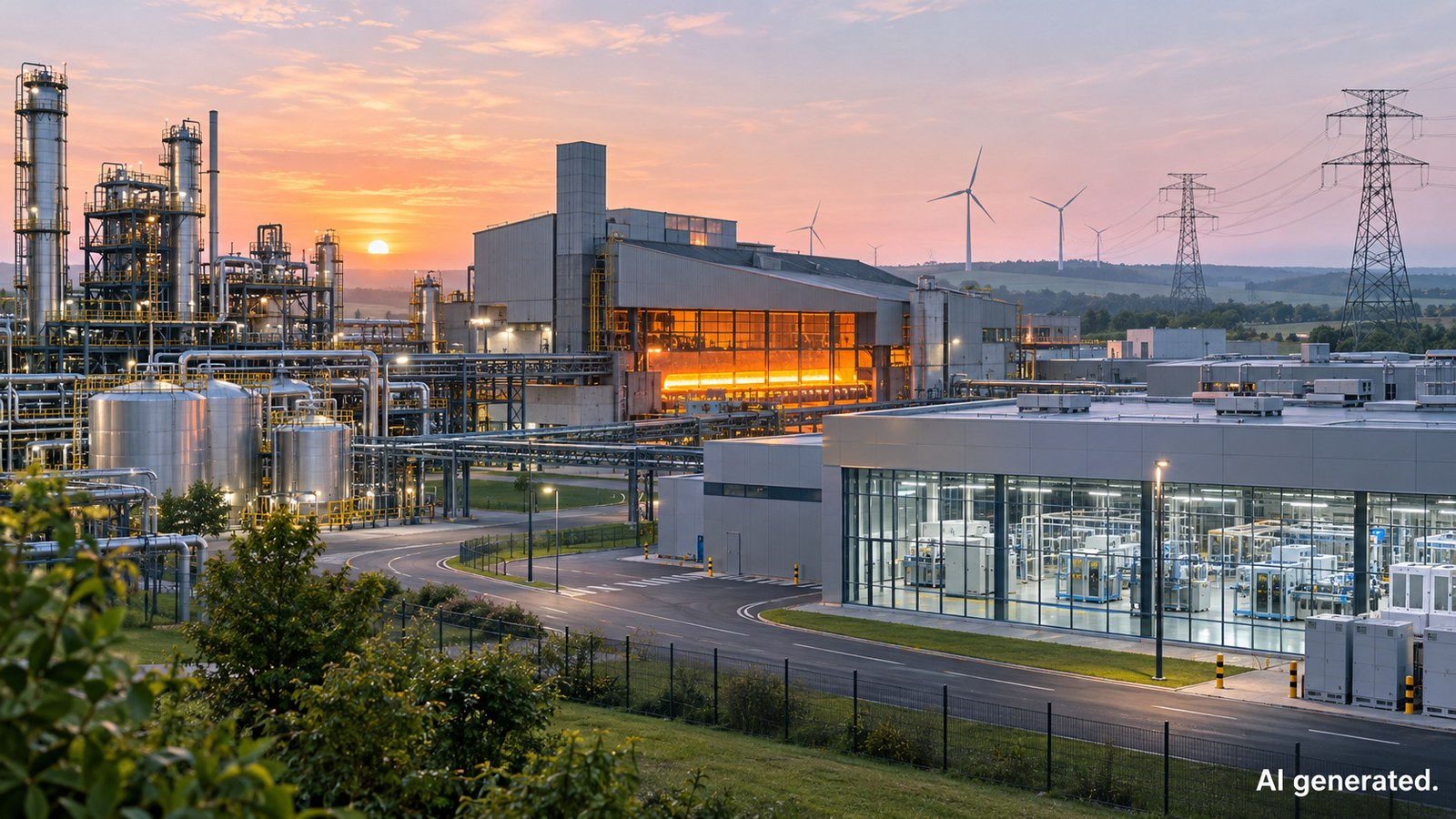
France has opened an exceptional 2026 application window for 13 additional industrial sectors to claim compensation for indirect carbon costs embedded in electricity prices. The government says eligible companies must apply through the ASP's PUMA portal by 30 November, and that payments relate to energy expenditure incurred in 2025.
The mechanism is designed for electricity-intensive businesses exposed to international competition. Under the European carbon market, power producers pass some allowance costs into electricity prices. Compensation reimburses part of that indirect burden in sectors considered at risk of moving production, and emissions, outside the European Union.
Who joins the eligible list
The new French list includes iron-ore and non-ferrous-metal extraction, textile fibre preparation and spinning, non-woven fabrics, dyes and pigments, basic organic chemicals, fertilisers, plastics, synthetic rubber, artificial fibres, glass fibre, ceramic tiles and electrical batteries. It follows a European Commission decision in December 2025 that widened the activities member states may support.
The government links the extension to an envelope of about 150 million euros announced in May. That figure is a programme budget, not a guaranteed payment to each company. Eligibility, documented electricity use and the applicable calculation rules will determine individual awards, and the application deadline is not the payment date.
A budget is not a company entitlement
Independent energy publication Enerzine confirms the 13-sector expansion and the 30 November deadline. Economie Matin also reports that the measure is temporary and tied to 2025 costs. Earlier Senate budget analysis provides the wider context: France already spends hundreds of millions of euros on indirect carbon-cost compensation for existing electricity-intensive sectors.
The policy sits at an uncomfortable intersection. Supporters say it protects European production from competitors facing lower carbon costs and limits carbon leakage. Critics of compensation schemes generally ask whether public money weakens the incentive to reduce electricity use or delays cleaner investment. The new notice itself establishes eligibility, not proof of either outcome.
Competitiveness versus transition
The environmental test is therefore broader than the amount paid. Transparent awards, credible energy-efficiency conditions and evidence on production and emissions will determine whether the measure supports an industrial transition or mainly cushions operating costs. For now, the immediate verified development is a short application window, not a completed distribution of 150 million euros.
Sources & context
Reporting and reference material used for this article. Context sources do not independently confirm every news claim.
- Directorate General for Enterprise ↗Primary government notice, published 2 November 2026: eligible sectors, policy rationale, application portal and deadline.
- Enerzine ↗Independent specialist reporting, published 3 November 2026: sector expansion and deadline.
- Economie Matin ↗Independent business reporting, published 4 November 2026: temporary window, budget framing and 2025-cost basis.
- French Senate ↗Legislative budget context, published for the 2026 finance bill: existing mechanism, electricity-intensive sectors and aggregate programme scale.
Written for WHIF from the linked material. This article does not claim on-the-ground reporting. Our editorial standards.