France takes stock after its hottest summer on record
Exceptional temperatures and scarce rainfall have left an impact across the country.
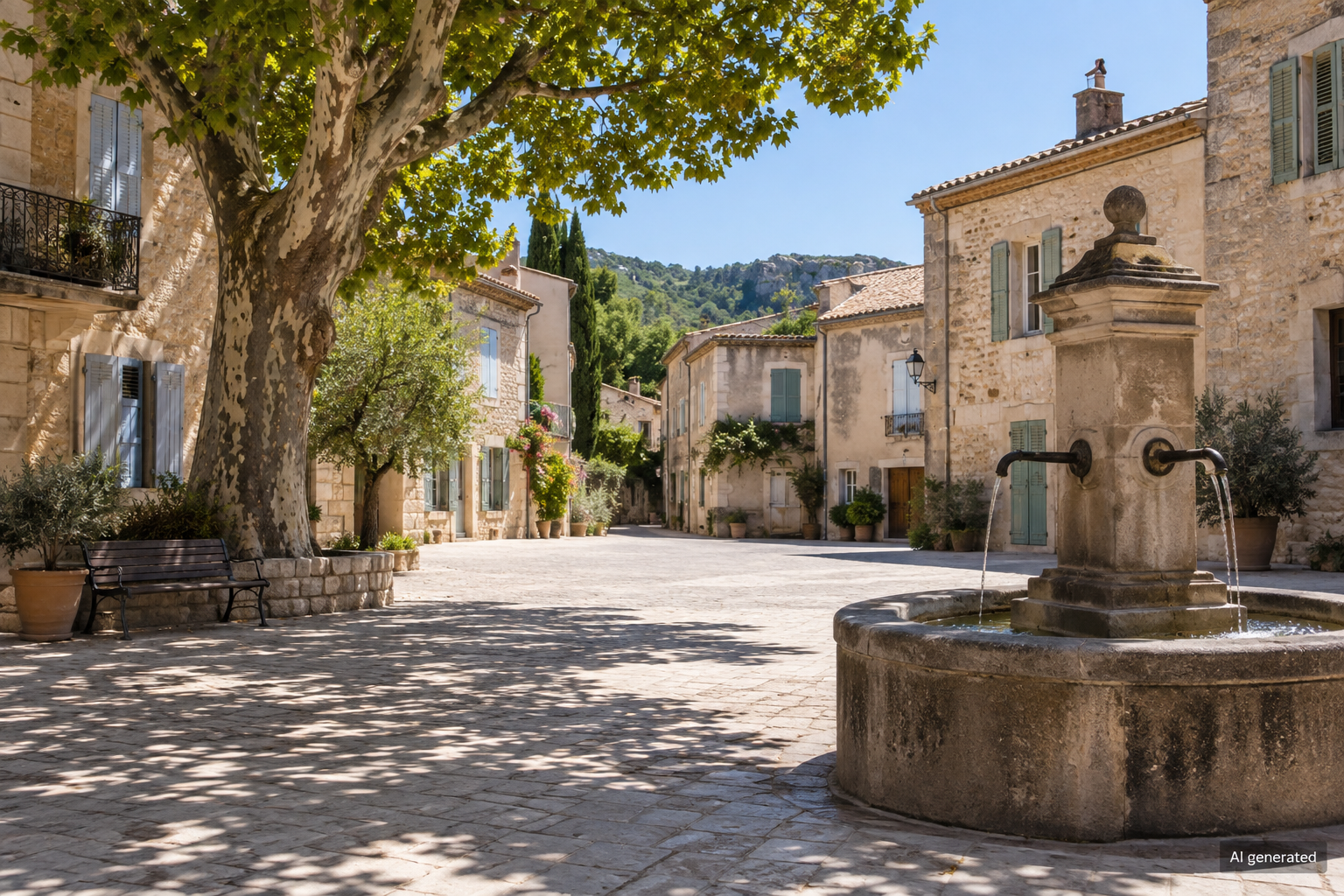
France is assessing the consequences of its hottest summer on record. Associated Press reporting describes exceptional heat, drought and wildfire disruption, putting the season’s effects beyond the category of an uncomfortable few days.
Le Monde’s account gives a measure of the scale: the June-to-August average reached 24°C, compared with 23.1°C in 2003. Those are seasonal averages, not the highest temperature at a single weather station. The distinction matters when comparing records.
A record needs the right comparison
A seasonal record and a particular day’s forecast answer different questions. The first describes what happened across a period; the second helps people prepare for immediate conditions. Neither should be substituted for the other when discussing what a changing climate means in practice.
The European Environment Agency’s 2024 assessment identifies climate risks across connected systems, including health, infrastructure and water. Read alongside the French reports, it offers a reason to follow consequences across sectors rather than treating heat as a self-contained weather item.
WHIF’s interpretation is that adaptation should be judged in concrete settings. A conversation about a record becomes more useful when it asks what happens in homes, workplaces, transport and public spaces. The relevant measures and responsibilities differ from one setting to another.
From a temperature record to a response
The next phase of reporting should therefore look at the assessment of damage and the response, while keeping preliminary figures distinct from final totals. It should also avoid using a national average to imply that every community experienced the same conditions.
The summer record is an important marker, but it is not the end of the story. What France does with the evidence—how institutions prepare and how the effects are documented—will determine whether the public conversation moves from astonishment towards practical accountability.
Sources & context
Reporting and reference material used for this article. Context sources do not independently confirm every news claim.
- Associated Press ↗Reporting on this story
- Le Monde — France’s record summer ↗French seasonal temperature reporting
- European Environment Agency — European Climate Risk Assessment ↗European risk assessment, published March 2024; background
Written for WHIF from the linked material. This article does not claim on-the-ground reporting. Our editorial standards.